


Explore Military History Museums and Sites in California
Explore the rich military history of California. Visit museums and historic sites that honor veterans, showcase historic artifacts, and tell the stories of bravery.
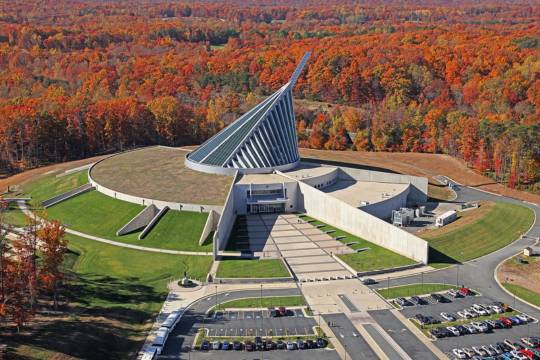

Located in McClellan Park, California, the Aerospace Museum of California stands as a testament to the rich aviation and military history that has shaped the region and the nation. This premier aviation museum is situated on the grounds of the former McClellan Air Force Base, a site that played a crucial role in supporting American airpower through various conflicts, from World War II to the Cold War. The base was instrumental in aircraft maintenance and logistics, contributing significantly to the United States' military capabilities.
Today, the museum offers a captivating journey through the history of flight and military aviation. Visitors can explore an impressive collection of restored aircraft, ranging from early biplanes to modern jets, providing a comprehensive overview of aviation advancements. Notable exhibits include a meticulously preserved F-86 Sabre, a symbol of air combat during the Korean War, and a B-52 Stratofortress, an iconic bomber that has served the U.S. Air Force for decades. The museum also features interactive displays and educational programs that delve into the science and engineering behind aviation.
Beyond aircraft, the museum showcases an array of aviation artifacts, including engines, flight suits, and military memorabilia, offering a glimpse into the lives of those who have served in the skies. The museum's dedication to preserving and presenting aviation history makes it a must-visit for military history travel enthusiasts. For those interested in aviation museums and exhibits, the Aerospace Museum of California provides an enriching experience.
After exploring the museum, visitors can further immerse themselves in history by exploring nearby military sites, such as the California Military Museum in Sacramento. Whether you're a seasoned history buff or a curious newcomer, McClellan Park offers a unique opportunity to explore the legacy of aviation and military service. Discover the stories of courage and innovation that continue to inspire future generations.

Located at Edwards AFB, California, the Air Force Flight Test Museum stands as a beacon of innovation and achievement in aviation history. This aviation museum is dedicated to preserving the legacy of flight testing, showcasing the evolution of aviation technology and its role in military advancement.
Edwards AFB has been the epicenter of American flight testing since the mid-20th century. It’s here that Chuck Yeager first broke the sound barrier in the Bell X-1, and where countless other experimental aircraft have been put through their paces. The museum is an ode to these groundbreaking feats, offering a rich tapestry of stories and artifacts that illustrate the evolution of military aviation.
Visitors to the museum can expect to encounter a vast array of exhibits that highlight the aircraft and technology tested at Edwards AFB. The museum’s collection includes iconic planes such as the SR-71 Blackbird and the F-117 Nighthawk. In addition to static displays, the museum offers a glimpse into the science of flight testing, with exhibits that detail the rigorous processes and daring pilots involved. Enthusiasts can explore the history of aviation breakthroughs and delve into the intricacies of flight dynamics and engineering.
For those interested in aviation museums and exhibits, the Air Force Flight Test Museum is a must-visit destination. The site also provides a gateway to exploring historic sites in the area, including the Edwards AFB Heritage Airpark, which features additional aircraft displays.
Whether you're a seasoned military history traveler or a curious newcomer, the Air Force Flight Test Museum offers a unique opportunity to engage with the pioneering spirit of aviation. Dive into the stories of those who dared to push the boundaries of flight and discover more about this pivotal location in military history.
Nestled in the heart of San Francisco Bay, Alcatraz Island stands as a testament to American military history and its evolution. Originally serving as a military fortress, Alcatraz played a crucial role in the coastal defense strategy of the United States during the 19th century. Its strategic location made it an ideal site for safeguarding San Francisco, California, against potential maritime threats, and it housed a military garrison and a formidable arsenal.
Throughout its military tenure, Alcatraz was home to the West Coast's first operational lighthouse and served as a military prison during the American Civil War. The island's fortifications, including the remnants of its original citadel, offer a tangible connection to its martial past. Although later transformed into the infamous federal penitentiary, its military roots remain a focal point of interest for history enthusiasts.
Today, visitors to Alcatraz Island can delve into its rich military history through a variety of exhibits and guided tours. The island's museum features artifacts and displays detailing its role in military defense, while the preserved structures provide a glimpse into the lives of soldiers stationed there. Exploring the island's rugged terrain, visitors can also enjoy breathtaking views of San Francisco and the surrounding bay, adding to the site's allure.
For those passionate about military history travel, Alcatraz is a must-see destination. Nearby, the San Francisco Maritime National Historical Park offers additional opportunities to explore historic sites, including preserved vessels and maritime exhibits.
Whether you're drawn by its military past or its storied transformation, Alcatraz Island invites you to uncover the layers of history that have shaped this iconic location. Embark on a journey to explore its enduring legacy and discover the stories that continue to captivate visitors from around the world.
Located in the charming city of Santa Paula, California, the Aviation Museum of Santa Paula offers a captivating journey into the world of military aviation. This museum stands as a testament to the region's rich aviation history and its connection to military advancements over the decades.
The history of aviation in Santa Paula is deeply intertwined with military developments, particularly during the 20th century. As you explore this site, you'll uncover stories of pioneering aviators and the crucial roles they played in various military conflicts. The museum's exhibits highlight the evolution of aircraft technology and the strategic impact of aviation in warfare, providing visitors with a comprehensive understanding of its historical significance.
Today, the museum boasts a remarkable collection of restored aircraft, many of which have been meticulously maintained to reflect their original glory. Visitors can admire these incredible machines up close, gaining insight into the engineering feats and design innovations that have shaped military aviation. The museum also features engaging exhibits that delve into the stories of the brave individuals who piloted these aircraft and their contributions to military history.
In addition to its impressive exhibits, the Aviation Museum of Santa Paula often hosts special events and educational programs, making it a vibrant hub for aviation enthusiasts and history buffs alike. Whether you're interested in exploring historic sites or simply appreciating the marvels of aviation technology, this museum offers a rich and immersive experience.
For those interested in a broader military history travel experience, Santa Paula is conveniently located near other notable military sites, offering a perfect opportunity for a comprehensive exploration of the region's historical significance. Plan your visit today and immerse yourself in the fascinating world of military aviation history.
Located in the heart of Sacramento, California, the California State Military Museum stands as a testament to the state's rich military heritage. This pivotal site offers a comprehensive look into the military history that has shaped both the state and the nation. As the official military museum of California, it provides an unparalleled glimpse into the past through its vast collection of artifacts and exhibits.
The museum's exhibits cover a wide array of military history, from the early days of California's statehood through modern conflicts. Visitors can explore displays dedicated to the state's involvement in significant military events, such as the Mexican-American War and both World Wars. The museum proudly honors California's own military units, highlighting their contributions and sacrifices in various conflicts.
Today, visitors to the museum can immerse themselves in history with an impressive collection of military artifacts, including weapons, uniforms, and equipment. Among the highlights are restored vehicles and aircraft, which provide a tangible connection to the past. Exhibits are meticulously curated to offer both educational insights and engaging stories, making it an ideal destination for military history travel enthusiasts.
For those interested in exploring more historic sites, Sacramento offers additional opportunities. Nearby, the Old Sacramento State Historic Park features preserved buildings from the Gold Rush era, while the Aerospace Museum of California showcases aviation history. Together, these sites create a rich tapestry of historical exploration.
Whether you're a seasoned history buff or new to exploring historic sites, the California State Military Museum in Sacramento offers a captivating journey through the annals of military history. Embark on this educational adventure and deepen your understanding of the influential role California has played in shaping our nation's military legacy.
Located in the arid landscape of Newberry Springs, California, Camp Cady stands as a fascinating relic of military history, marking its significance as a strategic outpost during the tumultuous times of the mid-19th century. Originally established in 1860, Camp Cady served as a vital station for the U.S. Army during the Indian Wars, offering protection to wagon trains and mail routes traversing the harsh Mojave Desert.
Named after Major Albemarle Cady, the camp was a beacon of security amidst the desolation, playing a crucial role in the safe passage of settlers and supplies. Although the camp was briefly abandoned and reoccupied several times, its strategic importance in ensuring communication and transport links was undeniable.
Today, visitors to this historic site can immerse themselves in the echoes of the past. While the original structures have not survived the ravages of time, the site offers an evocative glimpse into the past with interpretive signs that detail its storied history. Enthusiasts of military history travel will appreciate exploring the surrounding desert landscape, imagining the challenges faced by soldiers stationed here.
For those interested in further exploring historic sites nearby, the area around Newberry Springs has more to offer. The Calico Ghost Town, a short drive away, provides additional context to the region's rich history during the same period.
Whether you're a seasoned history buff or simply curious about the military past of California, visiting Camp Cady is a journey into the resilience and determination of those who once safeguarded these remote frontiers. Dive into the stories and landscapes of Camp Cady to uncover a compelling chapter of American history.
Nestled in the scenic hills of San Miguel, California, the Camp Roberts Historical Museum stands as a testament to the rich military history of the United States. Established in 1941, Camp Roberts has played a pivotal role in training countless soldiers for major conflicts, including World War II and the Korean War. This site offers visitors a unique opportunity to delve into the past and witness the evolution of military training and life over the decades.
As the largest Army basic training installation in the world during its peak, Camp Roberts was a bustling hub of military activity. Over the years, it has seen the passage of numerous notable units and individuals who have contributed significantly to various military campaigns. Today, the museum preserves this legacy through a diverse range of exhibits and displays that capture the essence of soldier life and the history of the camp.
Visitors to the museum can explore an array of artifacts, from restored military vehicles to personal memorabilia of soldiers who trained at Camp Roberts. The exhibits are thoughtfully curated to provide an immersive experience, allowing guests to step back in time and gain insight into the daily lives of soldiers. Additionally, the museum hosts special events and reenactments that bring history to life, making it a must-visit destination for anyone interested in military history travel.
For those exploring historic sites in San Miguel, California, the Camp Roberts Historical Museum offers a compelling glimpse into the past. Nearby, history enthusiasts can also discover other military sites that add to the rich tapestry of the region's heritage. Whether you're a seasoned history buff or simply curious about military history, the museum promises an enriching experience. Embark on a journey through time and explore the profound stories that shaped our nation's military legacy.
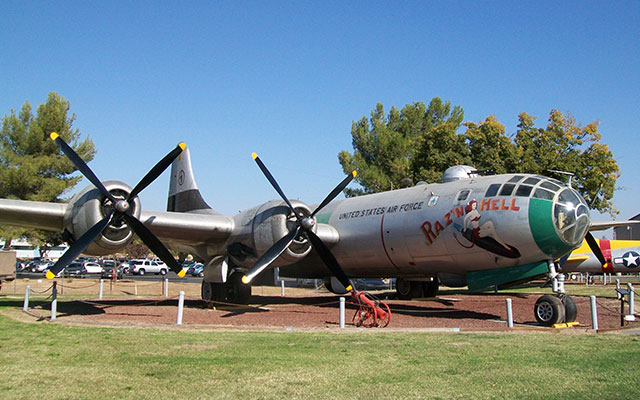
Located in the heart of Atwater, California, the Castle Air Museum stands as a testament to the rich and intricate history of military aviation. This aviation museum offers a unique glimpse into the past, showcasing an impressive collection of aircraft that have played pivotal roles in various military conflicts throughout the 20th century. As one of the largest aviation museums on the West Coast, it serves as a crucial resource for those interested in military history travel and exploring historic sites.
The site was once part of the Castle Air Force Base, a strategic location during the Cold War era. The base played a significant role in the training and operations of the Strategic Air Command, contributing to the defense initiatives during tense geopolitical standoffs. Today, visitors to the museum can explore a wide array of aircraft, including bombers, fighters, and transport planes that have been meticulously restored to their former glory.
Among the highlights is the iconic B-52 Stratofortress, a bomber synonymous with the might of the U.S. Air Force. The museum also features a rare SR-71 Blackbird, which held the title of the fastest jet in the world. Visitors can wander through outdoor exhibits, where over 70 historic aircraft are displayed, offering an immersive experience into the world of military aviation. Inside, the museum houses exhibits that delve into the stories of the airmen and women who shaped aviation history.
For those with a keen interest in aviation museums and exhibits, a visit to this aviation museum is a must. Nearby, the city of Atwater offers additional opportunities to explore local history, making it an ideal destination for a comprehensive historical journey. Embark on this adventure and discover the fascinating stories etched into the wings of aviation history.
The Chico Air Museum is a must-see for aviation enthusiasts. Located in California, this museum showcases aircraft from all over the world, from military planes to record-breaking propellers and jets. You can experience different eras in aviation history by browsing the impressive collection of vintage and modern aircraft on display. The staff is knowledgeable and passionate about the science and artistry of flight, and they are always willing to answer questions or share stories about the planes' histories. They also offer educational tours where visitors can learn more about the impact of aviation throughout history. If you're looking for a unique, interactive experience, the Chico Air Museum is an ideal destination!
Located in the scenic hills of Ramona, California, the Classic Rotors Museum is a hidden gem for military history enthusiasts and aviation aficionados alike. This unique aviation museum is dedicated to the preservation and display of vintage rotorcraft, offering a rare glimpse into the technological advances that have shaped military aviation history.
Helicopters have played a pivotal role in military operations since their inception, providing crucial support in reconnaissance, troop transport, and medevac missions. The museum’s collection highlights these contributions, featuring a diverse array of rotorcraft from different eras and conflicts, including the Vietnam War and the Gulf War. Visitors can explore aircraft like the Bell AH-1 Cobra and the Sikorsky H-34, each meticulously restored to reflect their operational glory.
Today, the museum offers an immersive experience for visitors keen on aviation museums and exhibits. The knowledgeable staff and volunteers provide insightful tours, detailing the history and significance of each exhibit. On select weekends, the museum hosts special events, including live demonstrations and meet-and-greets with veterans who share their firsthand experiences.
For those on a military history travel journey, the Classic Rotors Museum is a must-visit destination in Ramona, California. The museum is conveniently located near other historic sites, providing ample opportunities for exploring historic sites in the region. Nearby attractions include the Air Group One Museum in El Cajon and the USS Midway Museum in San Diego, each offering a unique perspective on military history.
Whether you're a seasoned history buff or simply curious about aviation's role in warfare, a visit to the Classic Rotors Museum promises an enriching experience. Embark on this journey through time and discover the stories behind the rotor blades that have shaped military history.
Located in Downey, California, the Columbia Memorial Space Center stands as a testament to the significant contributions of the region to America’s aerospace and military aviation history. This aviation museum is not just a tribute to the tragic loss of the Space Shuttle Columbia but also a celebration of the innovative spirit that fueled the nation's space exploration endeavors, many of which have direct ties to military advancements.
Downey played a pivotal role during the height of the Cold War, serving as a hub for aerospace innovation with the development of various military and space vehicles. The city was home to the design and production of key components of the Apollo program and the Space Shuttle fleet, directly contributing to the United States' strategic capabilities and technological prowess.
Today, visitors to the Columbia Memorial Space Center can immerse themselves in an array of aviation museums and exhibits that showcase the evolution of aerospace technology. Interactive displays offer a hands-on experience that delves into the science and engineering behind space travel. Notably, the museum houses a full-scale replica of a space shuttle cockpit, offering a unique glimpse into the challenges and innovations of manned spaceflight.
For those interested in exploring historic sites with a military history travel focus, the Space Center is a gateway to understanding the intersection of military needs and technological advancements. In addition to the exhibits, the center often hosts events and educational programs that further explore the rich legacy of military and space exploration.
Whether you're a seasoned military history enthusiast or new to the field, the Columbia Memorial Space Center offers a compelling journey through the annals of aerospace achievements. Embark on this exploration and uncover the stories that shaped our world today.
Located in the heart of Camarillo, California, the Commemorative Air Force Southern California Wing stands as a poignant reminder of the valor and innovation that defined military aviation history. This aviation museum is dedicated to preserving the legacy of World War II aircraft and the brave aviators who piloted them into the annals of history.
The museum's collection boasts meticulously restored aircraft that echo the daring exploits of the past. Visitors can explore an array of exhibits that showcase the pivotal role of airpower in securing victory during World War II. Among the highlights are the iconic P-51 Mustang and the mighty B-25 Mitchell, each telling a unique story of its contributions to the war effort. The museum's dedicated team of volunteers and historians ensures that each display is rich with historical context, offering a comprehensive look at the era's aviation advancements.
In addition to the aircraft, the museum offers a range of aviation museums and exhibits that provide insight into the technological and strategic innovations of the time. Interactive displays and educational programs make it an engaging experience for visitors of all ages. Events and airshows held at the site further enhance the experience, allowing guests to witness these restored marvels in flight, a spectacle that truly brings history to life.
For military history travel enthusiasts, Camarillo offers additional nearby sites of interest. The region's rich aviation heritage makes it an ideal destination for exploring historic sites that highlight the evolution of air combat.
Whether you're a seasoned history buff or simply curious about the past, a visit to the Commemorative Air Force Southern California Wing offers a captivating journey through the skies of yesteryear. Discover the stories of bravery and innovation that continue to inspire future generations of aviation enthusiasts.
Located in the heart of Los Angeles, California, the Drum Barracks stands as a pivotal relic of American military history. This historic site, dating back to the era of the Civil War, served as the Union Army’s headquarters for Southern California and the Arizona Territory. Its strategic importance during the conflict made it a critical point for logistical and operational planning in the Western United States.
Constructed in 1862, the Drum Barracks became a crucial supply depot and training facility, housing troops and providing support to Union forces in the region. The barracks played a significant role in safeguarding California's allegiance to the Union, ensuring the state remained a vital asset for the North. The site’s enduring legacy is a testament to the military strategies and defenses that shaped the outcome of the war in the West.
Today, visitors to this historic site in Los Angeles can immerse themselves in its rich military past. The Drum Barracks Museum offers a comprehensive collection of artifacts, photographs, and documents, bringing the stories of soldiers and their wartime experiences to life. Guided tours provide in-depth insights into the daily lives of the troops stationed there, while the preserved architecture offers a window into 19th-century military infrastructure.
For those passionate about military history travel, exploring historic sites like the Drum Barracks provides a unique opportunity to step back in time. Nearby, history enthusiasts can also visit other significant military landmarks, such as the Fort MacArthur Museum, which further enriches the narrative of the region’s military heritage.
Whether you're a seasoned historian or simply curious about the past, a visit to the Drum Barracks promises an enlightening experience. Delve into the fascinating history of this Los Angeles landmark and uncover the stories that helped shape a nation. To learn more, consider planning your visit and exploring the broader tapestry of military history in California.
Located in the heart of Paso Robles, California, the Estrella Warbird Museum offers an immersive journey into the world of military aviation and armored warfare. This site stands as a tribute to the technological innovations and heroism that have defined military history over the decades. Visitors can explore an impressive array of restored aircraft, from the venerable F-8 Crusader to the iconic A-4 Skyhawk, each with its own storied past in various conflicts around the globe.
The museum's collection extends beyond aircraft to include an extensive range of military vehicles and memorabilia. The Woodland Auto Display, a part of the museum, boasts a collection of vintage racing cars and classic vehicles, providing a broader context to the technological advancements of the 20th century. This juxtaposition of wartime machinery and automotive history offers a unique perspective for enthusiasts of military history travel.
In addition to exploring meticulously restored vehicles and aircraft, visitors can delve into the museum's numerous exhibits that showcase artifacts from different eras of military history. The museum also hosts events and reenactments that bring history to life, offering a vivid glimpse into the past and honoring the service and sacrifice of military personnel.
While in Paso Robles, history buffs might also consider visiting nearby sites such as Camp Roberts Historical Museum, which provides further insight into California's military heritage. This region, rich with history, makes for an engaging destination for those passionate about exploring historic sites.
For anyone eager to explore the depths of military aviation and vehicular history, the Estrella Warbird Museum in Paso Robles is an essential stop. Discover the stories behind these incredible machines and the people who operated them, and leave with a deeper appreciation of our shared military past.
Located in the iconic San Francisco Bay, Fort Alcatraz stands as a captivating military history site with a rich past that predates its infamous role as a federal prison. Originally established in the mid-19th century, the fort served as a critical military installation during key periods in American history. Its strategic position protected the bustling port of San Francisco, California, and served as a deterrent against foreign invasion and internal conflict, including its role during the Civil War as a fortress and military prison.
Visitors to this storied location can immerse themselves in its layered history. While the penitentiary structures are perhaps the most recognized, the remnants of the original military fortifications offer a compelling glimpse into its earlier military significance. As you explore the island, you'll find informative exhibits detailing its evolution from a military bastion to a notorious prison. Guided tours often delve into its military past, revealing lesser-known stories of soldiers and prisoners who passed through its gates.
For those with a keen interest in military history travel, the site provides a unique opportunity to connect with the past. The breathtaking views of San Francisco, California, add to the experience, making it a memorable destination for exploring historic sites. Nearby, enthusiasts can further their exploration at the Presidio of San Francisco, another pivotal military site with its own rich history.
Whether you're drawn by its military origins or its more recent history, Fort Alcatraz offers a fascinating journey through time. Plan your visit and uncover the layers of history that make this site a must-see for any enthusiast eager to explore the military legacy of the United States.
Located in the heart of Los Angeles, California, Fort MacArthur stands as a testament to the region's rich military history. Originally established in 1914, this coastal artillery fort was named after Lieutenant General Arthur MacArthur and played a crucial role in the defense of the United States' western coastline, particularly during World War II. Its strategic position overlooking the entrance to the Los Angeles Harbor made it an essential component of America's coastal defense system.
During its operational years, Fort MacArthur was home to various artillery units tasked with protecting the coast from potential naval threats. The fort's batteries were equipped with large caliber guns, which were a part of the U.S. Army's Harbor Defenses of Los Angeles. These efforts were essential to maintaining the security of one of the nation's most important ports during a time of global conflict.
Today, visitors to this historic military site can explore a range of exhibits and restored structures that vividly portray its past. The Fort MacArthur Museum offers a captivating journey through time, showcasing artifacts, photographs, and displays that highlight the fort's critical role in American military history. Enthusiasts of military history travel will appreciate the meticulously preserved gun emplacements and the opportunity to learn about the fort's significance through engaging exhibits.
For those interested in exploring historic sites further, the nearby Drum Barracks Civil War Museum offers additional insights into the region's military past. As you delve into the stories and legacies preserved at Fort MacArthur, you'll gain a deeper appreciation for the strategic importance of Los Angeles, California, in the broader context of U.S. military history.
By visiting Fort MacArthur, you immerse yourself in the rich tapestry of America's military heritage. Discover the compelling narratives and artifacts that bring history to life, and continue your journey of exploration and learning.
Located in Lebec, California, Fort Tejon stands as a testament to the rich tapestry of military history in the American West. Established in 1854, this pivotal garrison served as a buffer against Native American tribes and a station for the U.S. Army's dragoons, who patrolled the region. Its strategic position in the Tejon Pass made it a crucial site for maintaining peace and facilitating westward expansion, marking its significance in the annals of military history.
Visitors to this historic site can delve into the past with a visit to the meticulously restored barracks and officers' quarters, which vividly bring the mid-19th century to life. The fort also features a museum that houses a collection of artifacts, including uniforms, weapons, and personal items from the soldiers who once called this place home. Regular reenactments and living history demonstrations offer an engaging glimpse into the daily life of soldiers stationed here, providing a dynamic experience for military history travel enthusiasts.
Just a short drive from Lebec, California, Fort Tejon offers not only a fascinating journey through history but also an opportunity to explore the scenic beauty of the surrounding area. While in the region, history buffs might also consider visiting nearby sites such as the Ridge Route, a historic roadway that played a vital role in early 20th-century transportation.
For those passionate about exploring historic sites, Fort Tejon presents an unparalleled opportunity to step back in time and witness the echoes of a bygone era. Whether you're drawn by the stories of the past or the allure of the California landscape, this site promises an enriching experience. Discover the enduring legacy of Fort Tejon and deepen your understanding of America's military heritage.
Nestled in the arid landscape of Chiriaco Summit, California, the General George S. Patton Memorial Museum stands as a tribute to one of World War II’s most iconic military leaders. This site is dedicated to preserving the legacy of General Patton and the vital role he played in shaping modern armored warfare. Located at the heart of the Desert Training Center, where Patton prepared troops for the North African Campaign, the museum offers a poignant glimpse into pivotal moments of military history.
The museum's location is steeped in history, as it was part of the largest military training ground in the world during its operation in the early 1940s. General Patton’s strategic training techniques and leadership forged a path to Allied success against Axis forces, making this site a must-visit for those passionate about exploring historic sites related to World War II.
Today, visitors to the museum can immerse themselves in an array of exhibits showcasing vintage military vehicles, including tanks and half-tracks that were once part of Patton’s formidable arsenal. The museum also features an extensive collection of personal memorabilia, weapons, and photographs that document the evolution of armored warfare. Additionally, the site includes a solemn memorial dedicated to the soldiers who trained and served under Patton’s command.
For those interested in expanding their military history travel itinerary, nearby attractions include the General Patton Memorial Museum’s outdoor displays and the remnants of training camps scattered throughout the vast desert landscape. Each site offers a unique opportunity to delve deeper into the strategic military operations of World War II.
Whether you are a seasoned military history enthusiast or new to exploring historic sites, a visit to the General George S. Patton Memorial Museum in Chiriaco Summit, California, promises an enriching experience that honors the courage and innovation of those who served. Discover the stories and artifacts that continue to inspire generations, and deepen your understanding of a pivotal era in military history.
Located in San Carlos, California, the Hiller Aviation Museum is a fascinating destination for military history aficionados and aviation enthusiasts alike. This aviation museum offers a deep dive into the pivotal role that aircraft have played in both military and civilian contexts, making it a must-visit stop for those interested in exploring historic sites.
The museum itself stands as a testament to the evolution of aviation technology, showcasing an impressive collection of aircraft and artifacts that illuminate the history of flight. While the museum's primary focus is on aviation at large, it offers compelling insights into military aviation history, exploring how advancements in aircraft design and technology have influenced military strategy and capabilities throughout the 20th and 21st centuries.
Visitors to the museum can expect a rich array of exhibits that include restored military aircraft, interactive displays, and informative panels detailing significant events and milestones in aviation history. A highlight for many is the chance to see vintage aircraft up close, offering a tangible connection to the past. The museum also hosts an array of educational programs and events designed to engage visitors of all ages, making it a dynamic place to learn and explore.
For those interested in furthering their military history travel in the area, the proximity of San Carlos to other notable sites in Northern California offers ample opportunities for exploration. Whether you're a seasoned history buff or a curious newcomer, the Hiller Aviation Museum is a portal to the past, offering insights into the innovative world of aviation and its enduring impact on military history.
Don't miss the chance to delve deeper into the world of aviation museums and exhibits by visiting Hiller Aviation Museum and discovering the stories that have shaped the skies.
The Lyon Air Museum in Santa Ana, California is a world-renowned museum that houses an impressive collection of over 100 vintage aircraft and vehicles. The museum was founded in 1985 by Major General William Lyon, a retired United States Air Force officer. The Lyon Air Museum is dedicated to preserving the history of aviation and educating the public about the science and technology of flight. The museum's collection includes aircraft from the Wright brothers to the Space Shuttle, and everything in between. The museum also has a number of interactive exhibits that are perfect for families and children of all ages. If you're interested in learning about the history of aviation, or if you're just looking for a fun day out, the Lyon Air Museum is definitely worth a visit.
Located in the heart of Riverside, California, the March Field Air Museum stands as a testament to the rich tapestry of aviation history and its indelible impact on military operations globally. This aviation museum is situated on what was once a pivotal airfield, March Air Reserve Base, which played a crucial role during World War II and continued to contribute to military operations throughout the 20th century.
The museum offers a captivating journey through time, showcasing a comprehensive collection of over 70 meticulously restored aircraft. Visitors can explore historic sites and marvel at iconic planes like the SR-71 Blackbird, B-17 Flying Fortress, and F-4 Phantom, each with its own story of valor and innovation. The museum’s extensive exhibits highlight the evolution of military aviation, providing insight into the technology and strategies that have shaped air combat.
In addition to aircraft displays, the museum features engaging exhibits on pivotal moments in military history, including the Vietnam War and Cold War, offering a deeper understanding of these conflicts. Interactive displays and knowledgeable guides enrich the visitor experience, making it a must-see for military history travel enthusiasts.
For those interested in further exploring the region's military heritage, Riverside offers proximity to additional historic sites such as the General Patton Memorial Museum. This adds another layer of intrigue for those wishing to delve into the broader context of military history in Southern California.
Whether you're an avid aviation aficionado or a seasoned history buff, a visit to the March Field Air Museum promises a rewarding journey through the skies of the past. Discover the stories behind the machines and the heroes who piloted them, and be inspired by the legacy of aviation excellence. To learn more about aviation museums and exhibits, plan your visit today and experience the thrill of military history firsthand.
Located in Vallejo, California, Mare Island stands as a testament to America's rich naval heritage, offering visitors an unparalleled glimpse into the past through its remarkable warship museum. This historic site, once the first U.S. Navy base established on the West Coast, played a crucial role in naval operations from its inception in the 1850s until its closure in 1996. Throughout its storied history, Mare Island served as a shipyard and naval base, contributing significantly to the nation's military efforts, especially during World War II when it became a hub for shipbuilding and repair.
Today, visitors to Mare Island can immerse themselves in the world of naval history. The site features meticulously restored warships, where enthusiasts can explore the decks and inner workings of these mighty vessels. Guided tours provide insights into the life of sailors and the strategic importance of the ships docked here. The museum also houses fascinating exhibits that showcase naval artifacts, photographs, and personal stories, offering a comprehensive look at the maritime past.
While exploring historic sites like Mare Island, visitors can also discover other attractions in the Vallejo area. The nearby Benicia Arsenal, another historic military site, offers additional context to the region's military significance. Mare Island's proximity to San Francisco provides an opportunity to explore the greater Bay Area's rich history.
Whether you're a seasoned military history traveler or a curious newcomer, Mare Island promises an engaging experience. Its collection of naval and warship museums invites you to delve deep into America's naval past. Start planning your visit today, and uncover the stories that have shaped our nation's history.
Located in the heart of San Diego, California, the Maritime Museum San Diego offers an unparalleled dive into naval history, serving as a testament to the maritime legacy that has shaped military endeavors worldwide. This warship museum is home to a remarkable collection of historic vessels, each telling a unique story of conflict, innovation, and resilience on the high seas.
The museum's centerpiece is the USS Midway, an aircraft carrier that played a pivotal role during the Cold War and Vietnam War. Visitors can explore the decks where naval aviators once launched their missions and delve into the ship's rich history through interactive exhibits. San Diego's strategic importance as a naval hub is further highlighted by the presence of other vessels, including the Star of India, the oldest active sailing ship, and the H.M.S. Surprise, a replica of an 18th-century Royal Navy frigate.
For those interested in exploring historic sites, the museum offers a comprehensive experience. Enthusiasts can witness reenactments, engage with knowledgeable docents, and view carefully restored maritime artifacts. The collection spans centuries of naval warfare, giving visitors insight into the evolution of military technology and strategy.
An interesting fact about the museum is its role in preserving the legacy of maritime exploration along the Pacific coast, a region rich with naval history due to its proximity to major military installations. Nearby, visitors can also explore the iconic Cabrillo National Monument, offering panoramic views and additional context on the region's strategic significance.
Whether you're a seasoned military history traveler or newly embarking on your journey through naval history, a visit to the Maritime Museum San Diego promises a captivating experience. Dive deeper into the world of naval and warship museums and uncover the stories that have sailed through time. Embrace the call of the sea and explore the vast horizons of maritime heritage today.
Located in the heart of San Diego, California, the MCRD San Diego Command Museum stands as a beacon for military history enthusiasts eager to delve into the rich legacy of the United States Marine Corps. As part of the Marine Corps Recruit Depot, this museum offers visitors a compelling journey through time, showcasing the evolution of the Corps and its pivotal role in U.S. military history.
Established to preserve and promote the heritage of the Marine Corps, the museum is home to an extensive collection of artifacts and exhibits. Visitors can explore displays chronicling the Corps' involvement in major conflicts, from World War I to the present day. The museum's exhibits highlight the bravery and dedication of Marine units, offering a profound insight into their contributions to military operations across the globe.
At the MCRD San Diego Command Museum, guests can marvel at restored military vehicles and authentic weaponry, each telling its own story of service and sacrifice. The museum also pays tribute to the men and women who have donned the Marine uniform through various memorials and personal stories, ensuring their legacy is never forgotten.
In addition to its fascinating exhibits, the museum hosts educational programs and events designed to engage visitors of all ages. Whether you are a seasoned military history traveler or new to exploring historic sites, the museum offers a comprehensive experience that both informs and inspires.
For those interested in further exploration, the vicinity of San Diego, California, is rich with other military history landmarks, such as the USS Midway Museum and the Cabrillo National Monument. The MCRD San Diego Command Museum provides a perfect starting point for anyone eager to delve deeper into the area's storied past.
Come discover the stories of valor and dedication at the MCRD San Diego Command Museum, where history comes to life, and the legacy of the Marines is honored and preserved for future generations.
In the heart of Santa Monica, California, the Museum of Flying stands as a testament to the rich tapestry of aviation and military history. This aviation museum offers a unique glimpse into the role that aircraft have played in both military and civilian arenas. The site is a must-visit for anyone passionate about aviation museums and exhibits, providing an engaging experience that illuminates the technological and strategic evolutions of flight.
The Museum of Flying is situated on the historic grounds of the Santa Monica Airport, which has been a pivotal site for aircraft development and testing throughout the 20th century. During World War II, the airport served as a production site for Douglas Aircraft Company, a key player in the Allied war effort. The museum proudly showcases this legacy, detailing the pivotal role that aviation played in shaping the outcomes of global conflicts.
Visitors to the museum can expect an impressive collection of restored aircraft, including iconic models such as the Douglas DC-3 and World War II fighters. The museum's exhibits are thoughtfully curated to provide insights into the technological advancements and personal stories of those who soared through the skies in times of conflict. Interactive displays and engaging tours offer an immersive experience, allowing guests to explore the evolution of flight from its early days to modern innovations.
After exploring the museum, enthusiasts may also wish to visit nearby military history sites, such as the Santa Monica Pier, which offers its own intriguing historical context related to coastal defense during wartime. Whether you're a seasoned military history travel aficionado or a curious newcomer, the Museum of Flying promises a captivating journey through the annals of aviation history. Embark on this adventure and discover the stories of courage and innovation that have defined our skies.
Located within the vast expanse of the Mojave Desert, the National Training Center and 11th Armored Cavalry Regiment Museum at Fort Irwin, California, stands as a testament to the enduring legacy of armored warfare and the U.S. Army's commitment to advanced tactical training. Fort Irwin has been a pivotal training ground since its establishment, preparing troops for the complexities of modern combat.
The 11th Armored Cavalry Regiment, known as the "Blackhorse Regiment," has a storied history, having served with distinction in conflicts such as the Vietnam War and the Gulf War. Visitors to the museum will gain insights into the regiment's rich heritage, exploring how its training and operations have evolved over the decades. The museum itself is a treasure trove for military history travel enthusiasts, featuring an array of exhibits that highlight the regiment's contributions to U.S. military history and the strategic importance of Fort Irwin.
Exhibits include restored military vehicles, weapons, and uniforms, each telling a story of technological advancement and battlefield innovation. The museum also offers detailed displays on the National Training Center's role in simulating realistic combat scenarios, providing visitors with a deeper understanding of how the U.S. Army prepares its soldiers for deployment. Interactive exhibits and knowledgeable staff enhance the experience, making it both educational and engaging.
For those interested in exploring historic sites, the surrounding area offers additional points of military interest, including nearby training grounds where visitors can witness ongoing exercises. Whether you are a seasoned historian or a curious traveler, a visit to the National Training Center and 11th Armored Cavalry Regiment Museum provides a unique opportunity to delve into the intricacies of military readiness and the evolution of armored tactics.
Embark on a journey through time and explore the profound history and legacy of Fort Irwin, California. Whether you're a military history aficionado or simply intrigued by the past, this destination promises an enriching experience.
Located in Ridgecrest, California, the Naval Museum of Armament & Technology is a compelling destination for military history enthusiasts. This site stands as a testament to the innovative spirit and technological advancement of the U.S. Navy, offering a unique glimpse into the evolution of naval armament and technology.
The museum's historical significance is deeply tied to its proximity to the Naval Air Weapons Station China Lake, a pivotal site for weapons testing and development since World War II. Over the decades, China Lake has been instrumental in advancing various armaments, including rockets and missiles that have played crucial roles in conflicts around the globe. Visitors to the museum will find themselves immersed in the stories of these developments, gaining insight into the technological prowess that has shaped modern naval warfare.
Today, the museum boasts a diverse range of exhibits that showcase the rich history of naval weaponry. Among the highlights are meticulously restored aircraft, missiles, and other armaments that were once at the forefront of military innovation. Interactive displays offer visitors an engaging way to understand the complexities and designs of these technologies. Additionally, the museum often hosts special events and lectures, providing further opportunities for learning and exploration.
For those interested in military history travel, a visit to Ridgecrest offers more than just the Naval Museum of Armament & Technology. Nearby, enthusiasts can explore the vast terrain of the China Lake range, which has been a silent witness to numerous pivotal testing events.
Whether you're a seasoned historian or a curious traveler, the Naval Museum of Armament & Technology in Ridgecrest, California, invites you to delve into the fascinating world of naval innovation. Begin your journey into military history today by exploring this remarkable site.
Nestled in the charming town of Nevada City, California, the Nevada County Narrow Gauge Railroad & Transportation Museum offers a unique glimpse into the region's rich military history and transportation legacy. This museum is a treasure trove for military history travel enthusiasts, providing insights into the vital role railroads played in military logistics and troop movements.
The Nevada County Narrow Gauge Railroad, operational from 1876 to 1942, was an essential transport link during its time, supporting both civilian and military efforts. During World War I and World War II, railroads like this one were indispensable for moving troops and materials efficiently. The museum stands as a testament to this era, preserving the legacy of rail transport's contribution to military operations.
Today, visitors to the museum can explore an array of fascinating exhibits and meticulously restored vehicles. A highlight is the collection of original narrow gauge locomotives and rolling stock, which provide an authentic sense of how rail transport functioned in the past. The museum also features engaging displays on the broader history of transportation in the region, offering deeper insights into its significance during wartime.
For those interested in delving deeper into military history, the museum frequently hosts special events and exhibits, often featuring reenactments and educational programs. Additionally, Nevada City's rich history and proximity to other military history sites make it an ideal destination for exploring historic sites in Northern California.
Whether you're a seasoned historian or a curious traveler, the Nevada County Narrow Gauge Railroad & Transportation Museum in Nevada City invites you to embark on a journey through time. Discover the intricate connections between transportation and military history as you explore this compelling site.
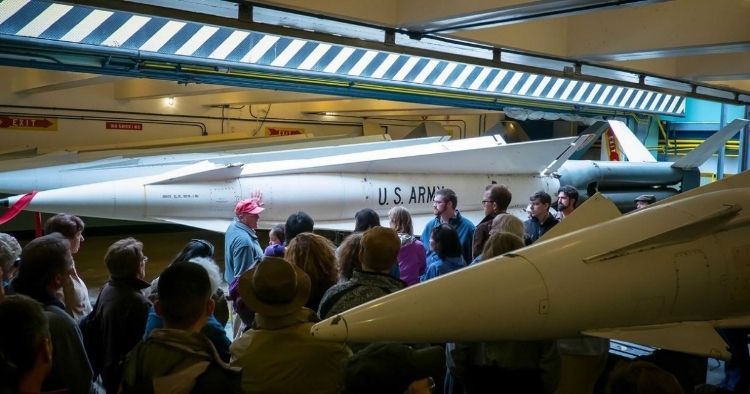
Nestled in the scenic hills of Mill Valley, California, Nike Missile Site SF-88 stands as a testament to Cold War-era defense strategies. As one of the few remaining Nike missile sites in the United States, SF-88 offers military history enthusiasts a unique glimpse into the past, where cutting-edge technology was deployed to protect American skies from potential Soviet threats.
Constructed during the height of the Cold War, SF-88 was part of a nationwide network of missile sites designed to intercept enemy aircraft. This particular site was operational from 1954 to 1974, housing Nike Ajax and later, more advanced Nike Hercules missiles. The site played a crucial role in the air defense strategy of the San Francisco Bay Area, standing ready to respond to any airborne threat.
Today, visitors to the site can explore a rich tapestry of aviation museums and exhibits that showcase the technology and daily life of those who served here. The site has been meticulously maintained, with restored missile launchers and radar equipment that bring the era to life. Guided tours are available, offering insights from knowledgeable docents who share the site's storied history and its role in the broader context of Cold War defense.
For those interested in further exploring historic sites, nearby attractions include the Golden Gate National Recreation Area, where military fortifications and batteries dot the landscape, providing additional layers of historical interest. As you walk the grounds of SF-88, you'll be transported back to a time of high tension and technological innovation.
Whether you're a seasoned military history traveler or new to exploring historic sites, Nike Missile Site SF-88 offers an engaging experience that deepens your understanding of a pivotal era in global history. Discover the stories and technology of this fascinating site in Mill Valley, California, and immerse yourself in the legacy of Cold War defense.
The Oakland Aviation Museum offers a unique and immersive experience for travelers of all ages. From the stimulating collection of historical aircrafts to vibrant educational exhibits, visitors will be enthralled with their tour through aviation history. Before visiting, be sure to check out their schedule of open cockpit days. On open cockpit days, visitors get the unique experience of climbing inside these amazing aircraft; an experience not often granted in most aviation museums.

Located in the vibrant city of Santa Rosa, California, the Pacific Coast Air Museum stands as a testament to the rich tapestry of aviation and military history. This renowned aviation museum and exhibit offers an immersive journey into the past, where visitors can explore the technological advancements and brave endeavors that have shaped aerial warfare and defense over the decades.
The museum's collection spans the breadth of 20th-century military aviation, capturing pivotal moments in time. Among the highlights are aircraft from significant conflicts, including Vietnam and the Gulf Wars, serving as silent sentinels of the skies. Notable among them is the formidable F-4 Phantom, a key player in the Vietnam War, and the ever-versatile Huey helicopter, an icon of aerial support during tumultuous times.
Visitors to the museum can expect to engage with a variety of exhibits that bring history to life. From meticulously restored aircraft to interactive displays, the museum offers a hands-on approach to understanding the evolution of military aviation. Special events and reenactments provide deeper insight into the experiences of those who served, while knowledgeable volunteers enrich the visit with captivating stories and anecdotes.
Santa Rosa itself is a gateway to further military history travel opportunities, with nearby sites offering additional layers of exploration for the avid enthusiast. Interesting facts and artifacts at the museum create an inviting atmosphere for both seasoned history buffs and curious newcomers alike.
Whether you're delving into the past or simply appreciating the marvels of aviation engineering, the Pacific Coast Air Museum invites you to uncover the stories behind the machines and the people who piloted them. Embark on a journey through time and discover the legacy of aviation in Santa Rosa, California.
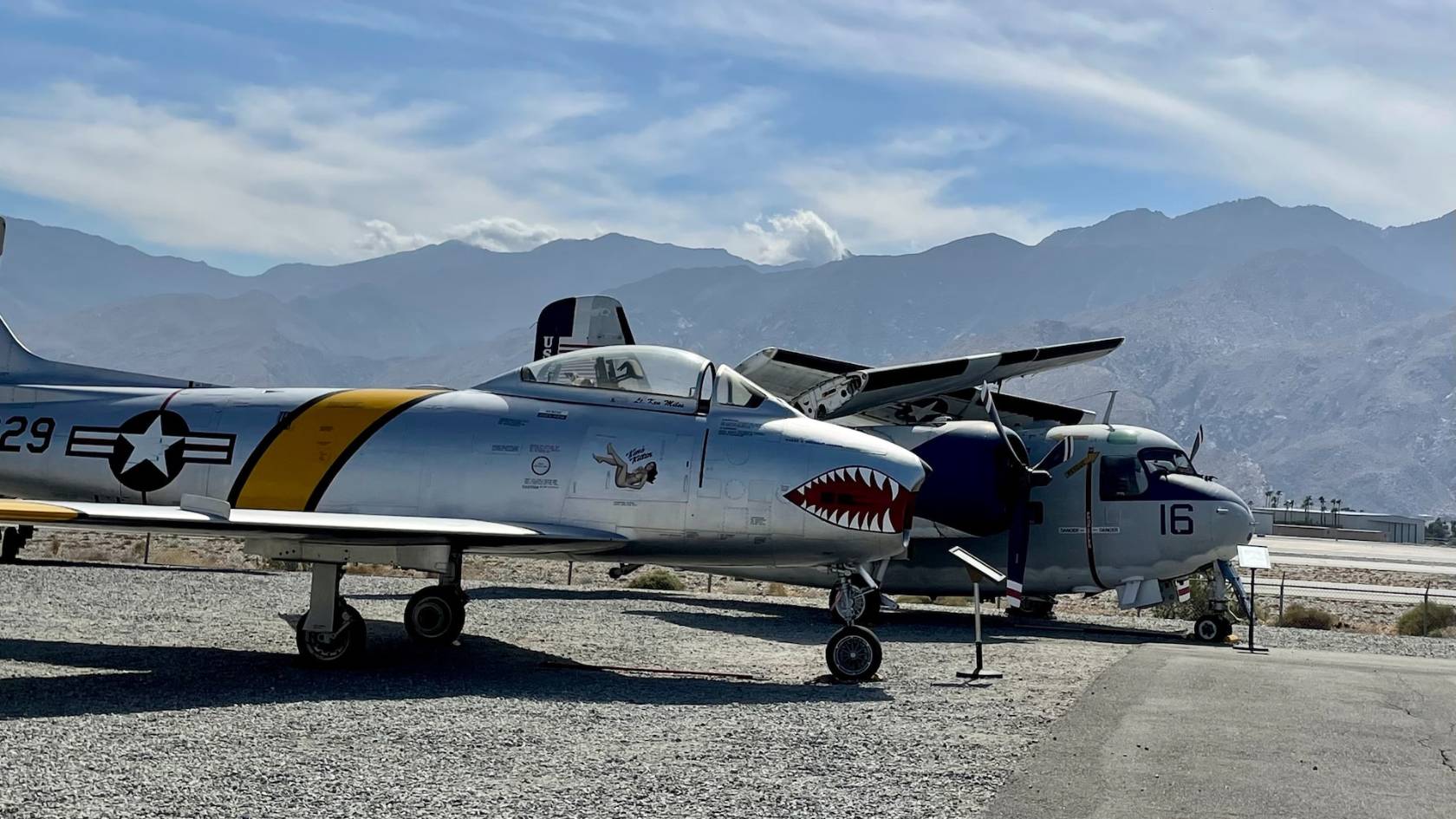
Located in the heart of Palm Springs, California, the Palm Springs Air Museum is a must-visit for all aviation enthusiasts. The museum boasts an impressive collection of aircraft and artifacts that showcase the rich history of aviation.
At the Palm Springs Air Museum, you have the unique opportunity to not just observe history, but to live it. Their Warbird rides put you in the seat of some of the most celebrated aircraft in history. Feel the rush of adrenaline as you take to the skies in our C-47 Skytrain or the P-51 Mustang. Every rumble of the engine, every moment of flight, immerses you in the unfiltered experience of our aviation past, offering an unparalleled perspective on the bravery and skill of the pilots who once helmed these incredible machines. Please note, these experiences are subject to weather conditions and availability, so we recommend booking in advance to ensure your spot.

Nestled in the heart of Chino, California, the Planes of Fame Air Museum stands as a testament to the rich legacy of aviation in military history. This renowned aviation museum invites enthusiasts to delve into the captivating world of military aircraft and their pivotal roles in shaping global conflicts.
Established in 1957, the museum began as a humble collection dedicated to preserving historically significant aircraft. Over the decades, it has grown into a premier destination for aviation museums and exhibits. Visitors can explore an impressive array of over 150 meticulously restored aircraft, many of which are still flightworthy. The museum's collection features legendary planes such as the P-51 Mustang and the F-86 Sabre, which played crucial roles in World War II and the Korean War, respectively.
Today, the Planes of Fame Air Museum offers a diverse range of experiences for military history travel enthusiasts. The museum hosts regular airshows, where the roar of engines and the precision of aerobatic displays bring history to life. Interactive exhibits and educational programs provide deeper insights into the technological advancements and strategic innovations that have defined air combat through the ages.
For those exploring historic sites in the area, Chino also offers proximity to other notable military attractions, such as the Yanks Air Museum. This makes the region a vibrant hub for aviation history aficionados.
With its dynamic exhibits and dedication to preserving the stories of aviation heroes, the Planes of Fame Air Museum is a must-visit for anyone passionate about military history. Embark on a journey through the skies of yesteryear and discover the enduring impact of these incredible flying machines.
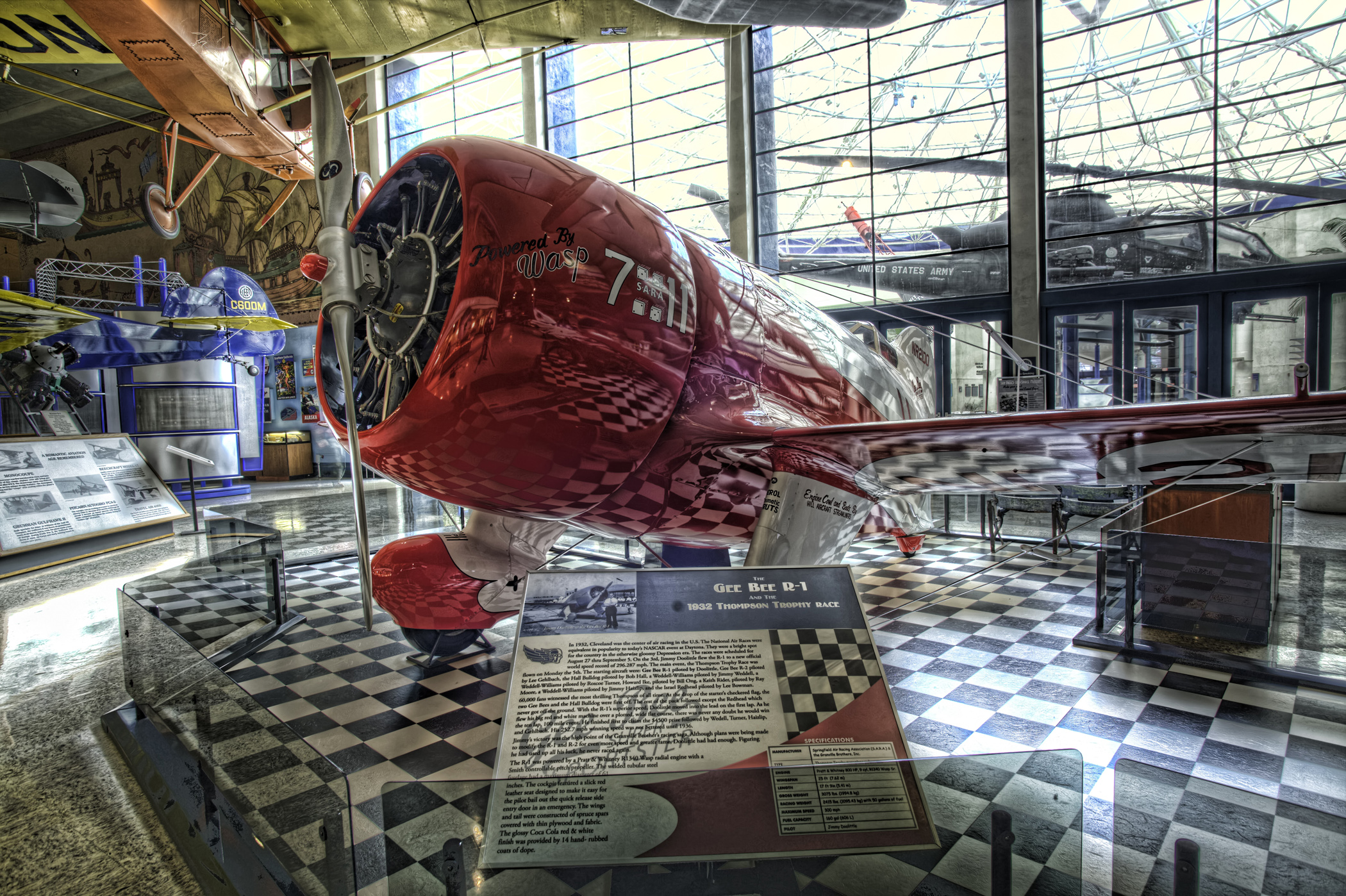
Nestled in the heart of Balboa Park, San Diego, California, the San Diego Air & Space Museum stands as a testament to the city’s rich aviation history and its enduring connection to military endeavors. This iconic aviation museum offers a captivating journey through the annals of military aviation, providing enthusiasts with an immersive experience into the technological and tactical advancements that have shaped air warfare.
The museum's vast collection chronicles significant periods in military aviation history, from World War I's daring dogfights to the strategic air campaigns of World War II and beyond. Visitors can trace the evolution of aviation technology through meticulously restored aircraft, including legendary warbirds like the P-51 Mustang and the F4F Wildcat. These stunning exhibits provide a tangible link to the past, allowing visitors to appreciate the engineering marvels that played pivotal roles in historic conflicts.
Today, the museum offers a rich array of aviation museums and exhibits that appeal to both seasoned military history buffs and newcomers alike. Interactive displays, flight simulators, and a comprehensive archive of historical documents provide an engaging, educational experience. Special exhibitions often highlight specific themes, such as the contributions of women in aviation or the technological advancements during the Space Race, ensuring that every visit offers something new to explore.
For those interested in further military history travel, San Diego is home to several other noteworthy sites, including the USS Midway Museum and Cabrillo National Monument. Each offers unique insights into the area's military heritage and the significant role it has played in national defense.
Whether you're a dedicated historian or simply curious about the evolution of military aviation, the San Diego Air & Space Museum invites you to delve deeper into the fascinating world of flight and explore the stories of courage and innovation that have shaped our skies.
Located in El Cajon, California, the San Diego Air & Space Museum Annex at Gillespie Field offers a compelling journey through the skies of military history. As an integral part of the San Diego Air & Space Museum, this annex highlights the rich aviation heritage that has shaped both regional and global military history. Gillespie Field itself has a storied past, serving as a training ground for pilots during World War II, where countless airmen honed their skills before heading to the frontlines.
Today, visitors to the annex in El Cajon can immerse themselves in aviation museums and exhibits that showcase meticulously restored aircraft and rare aviation artifacts. From vintage military planes to cutting-edge jets, the collection spans multiple eras of aviation history. Enthusiasts will appreciate the detailed displays that explain the technological advancements and strategic importance of each aircraft, providing a deeper understanding of their roles in various conflicts.
In addition to the impressive aircraft collection, the museum offers interactive exhibits that engage visitors of all ages. Educational programs and guided tours provide insights into the lives of the pilots and engineers who contributed to aviation milestones. For those interested in exploring historic sites, the annex is located near other significant military locations, such as the USS Midway Museum in nearby San Diego, enhancing the military history travel experience.
Whether you're a seasoned history buff or a curious traveler, the San Diego Air & Space Museum Annex at Gillespie Field is an essential stop for anyone interested in the legacy of military aviation. Embark on a journey through time and witness the evolution of flight that has shaped our world. Discover more about the fascinating world of military aviation and plan your visit today.
Located in the heart of Boron, California, the Saxon Aerospace Museum stands as a testament to the rich tapestry of military aviation history. This fascinating aviation museum offers enthusiasts a unique opportunity to delve into the technological advancements and strategic developments that have shaped military aviation over the years.
The museum is named in honor of the Saxon family, whose contributions to aerospace engineering have left an indelible mark on history. Visitors to the museum can explore a variety of exhibits that showcase the evolution of aircraft technology, from World War II warbirds to Cold War-era jets. The museum's collection includes well-preserved aircraft, detailed scale models, and a wide array of aviation artifacts that highlight pivotal moments in military history.
Today, visitors can expect to be captivated by an array of aviation museums and exhibits that provide a comprehensive overview of the development of military aircraft. The museum's passionate staff offer guided tours that provide deeper insights into the stories behind the artifacts. Additionally, interactive displays and educational programs make it an engaging experience for visitors of all ages.
Located conveniently near the Edwards Air Force Base, the Saxon Aerospace Museum is a perfect stop for those exploring historic sites in the area. The museum not only celebrates aviation history but also serves as a reminder of the innovation and courage of those who have flown and maintained these incredible machines.
Whether you're a dedicated military history traveler or a casual enthusiast, a visit to this museum in Boron, California, promises to be both informative and inspiring. Dive into the world of aviation history and discover the stories that have shaped the skies. There's always more to learn, so come explore and let your curiosity take flight.

The SS Red Oak Victory is one of the more unique experiences to explore the history of our nation's naval past. Boasting a rich and varied history, this famous ex-WWII cargo ship has been restored to its original condition, allowing visitors to step back in time and experience life aboard a vessel that was once part of our nation's proudest fleet. With its fully equipped galley, sleeping quarters, and engine room, visitors can get an up close and personal look at what it was like to serve on such a grand vessel. The Red Oak Victory is one of only 3 victory ship museums in the United States.
For those who'd like to take their experience even further, there are many guided tours that can be taken around the ship. These tours will provide visitors with an in depth look at various areas of the SS Red Oak Victory, as well as stories about its past occupants, their extensive voyages, and its eventual decommissioning after World War II.
The SS Red Oak Victory also provides educational opportunities for those interested in learning more about naval history. There are classes available for both adults and children alike focusing on topics ranging from basic navigation skills to U.S. Naval strategy during WW2. Additionally, experts are always on hand to give lectures or answer questions about the history of this majestic vessel.
Finally, no tour would be complete without taking advantage of the stunning views offered by the SS Red Oak Victory's top decks. From here one can take in breathtaking views while learning more about one of America's most treasured vessels. So if you're looking for an exciting adventure that doubles as a fascinating lesson in history, then look no further than the SS Red Oak Victory!
Located in Fairfield, California, the Travis Air Force Base Heritage Center stands as a testament to the rich aviation history of the United States Air Force. This aviation museum is dedicated to preserving and showcasing the pivotal contributions of military aviation and the role Travis Air Force Base has played since its establishment during World War II.
The base has a storied past, serving as a crucial logistical hub during major conflicts, including the Vietnam War and Operation Desert Storm. It has been home to numerous aircraft and units that have significantly impacted U.S. military operations. The Heritage Center offers visitors a comprehensive journey through this history, highlighting the evolution of air power and its strategic importance in modern warfare.
Today, visitors to the Travis Air Force Base Heritage Center can explore a wide array of exhibits featuring restored aircraft, memorabilia, and interactive displays. Highlights include an impressive collection of aircraft such as the C-124 Globemaster and the C-141 Starlifter, which have been meticulously restored to their former glory. The museum also features informative exhibits on the history of airlift and refueling missions, offering insights into the logistics that underpin military operations around the globe.
For military history enthusiasts, exploring the Heritage Center is an enriching experience that provides a deep dive into the world of aviation museums and exhibits. The center's location in Fairfield makes it a convenient stop for those traveling in Northern California, with other historic sites and military installations nearby to enhance the journey.
Whether you are a seasoned aviation aficionado or a curious traveler, the Travis Air Force Base Heritage Center is a must-visit destination for anyone interested in military history travel. Discover the stories behind the aircraft and the people who flew them, and immerse yourself in the legacy of air power that continues to shape our world today.
Docked in the vibrant city of San Diego, California, the USS Dolphin (AGSS-555) stands as an emblem of naval innovation and history. This warship museum offers a unique glimpse into the Cold War era, showcasing the remarkable engineering and strategic significance of submarines during this period.
The USS Dolphin launched in 1968 and served as a research and development submarine, playing a pivotal role in testing advanced sonar systems and torpedo technologies. Notably, it holds the record for the deepest dive ever performed by a submarine, a testament to its robust design and technological prowess. This achievement underscores the Dolphin's contribution to maritime strategy and exploration.
Visitors to this naval museum can embark on a journey through time, stepping aboard the well-preserved decks of the Dolphin. The interior exhibits offer a fascinating look at the life of submariners, with detailed displays of the control room, living quarters, and engine room. Enthusiasts of naval and warship museums will appreciate the meticulously restored equipment and the opportunity to learn about the vessel's history through informative plaques and guided tours.
Beyond the Dolphin, San Diego itself is a treasure trove for military history travel. The city is home to other notable sites such as the USS Midway Museum and the San Diego Air & Space Museum, making it an ideal destination for those passionate about exploring historic sites.
Whether you're a seasoned historian or a curious traveler, the USS Dolphin offers an immersive experience into the depths of naval history. Dive into its storied past and discover the secrets of submarine warfare by visiting this remarkable museum.

Docked in Alameda, California, the USS Hornet (CV-12) stands as an iconic testament to American naval prowess and a key destination for naval and warship museums enthusiasts. This revered Essex-class aircraft carrier played a significant role in World War II, contributing to pivotal battles in the Pacific Theater and earning nine battle stars. Known for its resilience and firepower, the Hornet was instrumental in the Battle of the Philippine Sea and supported critical operations in the liberation of the Philippines.
Today, the USS Hornet serves as a captivating warship museum, offering visitors an immersive dive into military history. As you explore the ship, you'll find an array of exhibits detailing its storied past, including restored aircraft on the flight deck and the meticulously preserved hangar bay. The museum showcases artifacts from the Apollo 11 and Apollo 12 missions, as the Hornet was the recovery ship for these historic lunar landings. This connection to space exploration adds a unique dimension to its already rich history.
Engage with interactive displays, experience the life of a sailor in the restored crew quarters, and learn about the ship’s strategic importance through educational tours offered by knowledgeable docents. For those interested in exploring historic sites further, nearby attractions include the Alameda Naval Air Museum, which delves into the broader history of naval aviation.
Whether you're a seasoned enthusiast of military history travel or a newcomer eager to learn, the USS Hornet offers an unparalleled journey through time. Discover the legacy of this formidable vessel and gain a deeper appreciation for its role in shaping world events. Plan your visit to Alameda, California, and let the stories of valor and innovation inspire your own exploration.
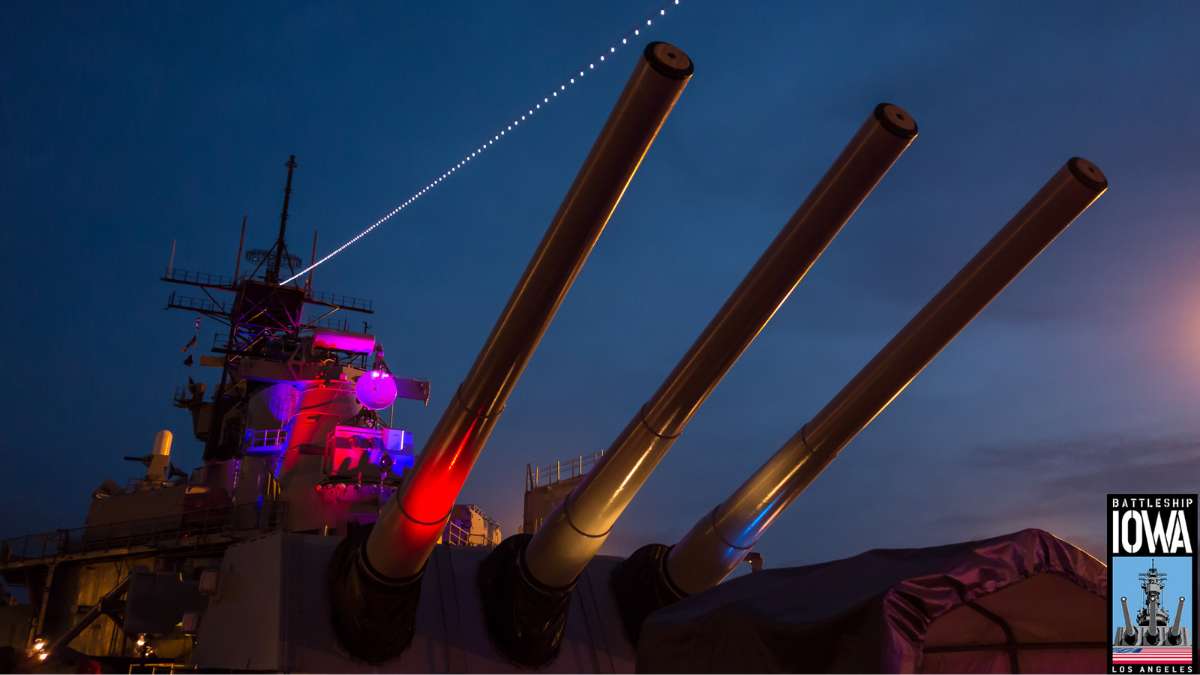
The USS Iowa Museum is an interactive museum located in the historic Port of Los Angeles, California. It offers visitors a unique opportunity to explore the history and legacy of the USS Iowa, a United States Navy battleship that served in World War II, the Korean War, and the Persian Gulf. Visitors can explore all aspects of the ship's past from its construction to its modern-day preservation efforts. Exhibits include artifacts from the ship's time in service, such as photographs, uniforms, weapons and tools used by crew members on board. Tour guides provide fascinating insight into various aspects of life aboard the vessel and help visitors learn about its role in different wars. In addition to exhibits on naval history, guests can find interactive experiences throughout the museum that bring to life how sailors lived on board the USS Iowa. The museum also boasts large-scale models showing off every detail of this impressive battleship during its heydey. With small theatre presentations detailing key moments in U.S navy history as well as guided tours through the restored vessel, the USS Iowa Museum offers a unique opportunity for those interested in learning more about our nation’s naval heritage.
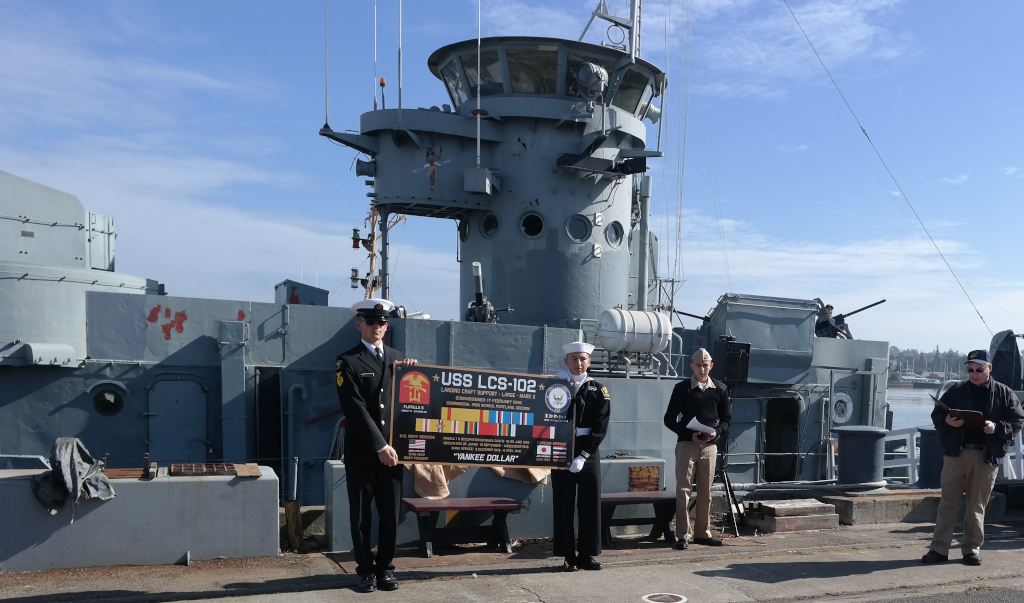
Located in Vallejo, California, the USS LCS(L)(3)-102 serves as a remarkable warship museum, offering a tangible connection to the valor and strategy of naval warfare. This historic ship was part of the United States Navy's Landing Craft Support during World War II, playing a critical role in amphibious operations across the Pacific Theater.
Commissioned in 1945, the USS LCS(L)(3)-102 was among the “Mighty Midgets,” a fleet of small but powerfully armed vessels designed to provide close-in fire support for beach landings. These ships were instrumental in operations such as the Battle of Okinawa, where they defended against enemy aircraft and supported troop landings with their formidable firepower.
Today, visitors to Vallejo can step aboard this storied vessel to explore its decks and learn about its significant contributions to military history. The museum offers an array of exhibits detailing the ship’s construction, missions, and life aboard as a crew member. Enthusiasts of naval and warship museums will appreciate the authentic atmosphere, provided by restored equipment and knowledgeable docents eager to share stories of courage and innovation.
For those interested in expanding their military history travel itinerary, Vallejo also hosts the nearby Mare Island Naval Shipyard, a site with its own rich history of shipbuilding and defense. This makes the area a compelling destination for those passionate about exploring historic sites.
Whether you're a seasoned history buff or a curious newcomer, a visit to the USS LCS(L)(3)-102 promises an engaging journey into the past. Dive deeper into the legacy of naval warfare and discover the stories of the brave souls who served aboard these mighty vessels. Embrace the opportunity to explore and preserve this vital piece of history.
Docked in Stockton, California, the USS Lucid (MSO-458) is a fascinating warship museum offering a unique glimpse into naval history. As one of the few remaining vessels from the Cold War era, this Aggressive-class minesweeper played a crucial role in ensuring safe passage for naval fleets by detecting and neutralizing underwater mines. Built in the 1950s, the USS Lucid served during a period marked by heightened tensions and complex maritime challenges, making it a significant piece of military history.
Visitors to the USS Lucid in Stockton can delve deep into the world of naval operations. The museum offers a comprehensive look at life aboard a minesweeper, including displays of authentic naval equipment, detailed ship models, and historical documentation. Enthusiasts will appreciate the expertly restored sections of the ship, which provide an authentic experience of the vessel's operational days. Knowledgeable guides are available to share stories and insights about the ship's missions and the brave sailors who served on her.
For those interested in naval and warship museums, the USS Lucid is an essential stop. The museum not only offers an engaging educational experience but also serves as a poignant memorial to the era's maritime service members. The ship's strategic location in Stockton allows for easy access to other military history travel destinations in California, making it a perfect addition to an itinerary exploring historic sites in the region.
Whether you're a seasoned naval history enthusiast or a curious traveler, the USS Lucid invites you to step aboard and uncover the stories of bravery and innovation that define this remarkable warship. Explore this venerable vessel and gain a deeper understanding of its role in shaping modern naval warfare.
```
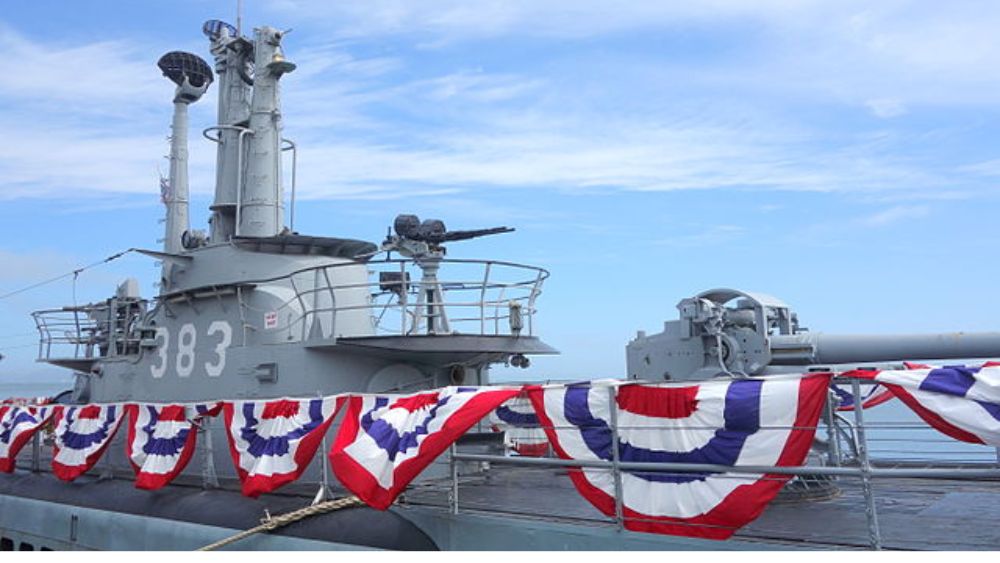
Visit the USS Pampanito (SS-383), one of the most famous submarines from World War II! Come aboard to experience a piece of history and learn more about this vessel's remarkable journey. This submarine served in the Pacific theater during World War II, sinking six Japanese ships and rescuing over 70 Allied prisoners. It was also part of two Convoys across the Pacific, making it an important part of America's victory against Japan.
Explore artifacts left behind by those who served on board. Take a tour of the museum and view exhibits featuring memorabilia such as uniforms, photographs, instruments, tools, and more. Come experience all that the USS Pampanito has to offer!
Located in the heart of San Diego, California, the Veterans Museum and Memorial Center stands as a beacon for military history enthusiasts. This significant site offers visitors an immersive experience into the rich tapestry of military history, honoring the countless veterans who have served in various conflicts throughout the years.
The museum resides in the historic Balboa Park, a site with its own storied past. Originally constructed as a chapel for the Naval Hospital in 1945, the building itself is a piece of military history. San Diego's strategic importance as a military hub, especially during World War II and the Vietnam War, provides a poignant backdrop for the museum's extensive collection.
Visitors to the museum can explore a vast array of exhibits highlighting the sacrifices and achievements of military personnel across different branches and eras. From personal artifacts and uniforms to detailed dioramas and restored military vehicles, there is much to discover. The museum also features compelling memorials honoring fallen heroes, ensuring that their stories are remembered and respected.
One of the key attractions is the collection of military memorabilia that spans major conflicts, providing insights into the lives of those who served. The museum also hosts various events and educational programs, making it a living, breathing repository of military heritage. Enthusiasts exploring historic sites in San Diego will find the Veterans Museum and Memorial Center a must-visit destination.
For those interested in expanding their military history travel itinerary, nearby attractions include the USS Midway Museum and the Fort Rosecrans National Cemetery, each offering additional layers of historical depth. Whether you're a seasoned historian or a curious traveler, the Veterans Museum and Memorial Center in San Diego, California, invites you to delve deeper into the heroic tales of our past. Learn more about this and other military history locations on Milsurpia.
Located in the heart of Torrance, California, the Western Museum of Flight is a captivating destination for military history enthusiasts and aviation aficionados alike. This aviation museum holds a special place in military history, showcasing the evolution of flight technology and its pivotal role in past conflicts.
The museum offers a rich historical backdrop, with exhibits that trace the development of military aviation from its early days to modern times. Torrance, being in close proximity to Los Angeles, was a significant hub for aircraft production during World War II, and the museum captures this legacy through its meticulously curated displays. Visitors can explore a variety of aircraft, including restored fighter jets and helicopters, which played crucial roles in various military engagements.
At the museum, guests can dive into the world of aviation with interactive exhibits and educational programs. One of the highlights is the collection of rare aircraft, providing a tangible connection to the past. The museum also features intriguing displays on aeronautical engineering and the technological advancements that have shaped military aviation over the decades.
For those interested in aviation museums and exhibits, the Western Museum of Flight offers an enriching experience. The knowledgeable staff and engaging presentations make it a must-visit for anyone passionate about exploring historic sites and understanding the impact of air power in military history.
Beyond the museum, Torrance and the surrounding area are home to other military history travel destinations, including the nearby Los Angeles Air Force Base. Whether you're a seasoned history buff or a casual visitor, the Western Museum of Flight invites you to delve deeper into the fascinating world of aviation history.
Nestled in the picturesque setting of San Martin, California, the Wings of History Museum serves as a captivating gateway into the rich tapestry of aviation's role in military history. This aviation museum offers an immersive experience that pays tribute to the technological advancements and brave individuals that have shaped aerial combat and defense.
Established with a mission to preserve and share the history of flight, the museum boasts an impressive collection that highlights key developments in military aviation. Visitors can explore exhibits featuring meticulously restored aircraft from various eras, including World War I and II. Each aircraft tells a story of innovation and strategy, showcasing the evolution of air power and its critical impact on military operations worldwide.
Beyond the aircraft, the museum's extensive collection of aviation artifacts, photographs, and historical documents provides a comprehensive view of the contributions of airmen and engineers to military history. Among the highlights are the displays dedicated to notable pilots and the pioneering units that flew daring missions in times of conflict.
For enthusiasts of military history travel, a visit to the Wings of History Museum in San Martin, California, offers a unique opportunity to delve into the fascinating world of aviation. The museum frequently hosts special events and educational programs, enhancing the experience with expert talks and interactive exhibits that engage visitors of all ages.
Located conveniently near other historic sites of interest, this museum is a must-visit destination for those exploring historic sites in the area. Whether you're a seasoned aviation aficionado or a curious traveler, the Wings of History Museum promises an enriching journey through the skies of military past. Plan your visit today and discover the stories that continue to inspire the spirit of flight.
Located in Oceanside, California, the WWII/Korea LVT Museum is a remarkable site for military history enthusiasts eager to explore the legacies of amphibious warfare. The museum is dedicated to the history and technological advancements of Landing Vehicle Tracked (LVT) used extensively during World War II and the Korean War, playing a pivotal role in numerous amphibious assaults.
The museum offers a deep dive into the development and deployment of LVTs, which were instrumental in battles such as the Pacific Island Hopping Campaign and the Inchon Landing during the Korean Conflict. These vehicles were essential in facilitating troop landings on hostile beaches, providing crucial mobility and support under fire. The museum preserves this legacy with a comprehensive collection of restored LVTs, detailed exhibits, and informative displays that bring this unique aspect of military history to life.
Visitors to the museum can expect to see meticulously restored LVTs, each with its own story of service and valor. The exhibits provide a hands-on experience, allowing guests to understand the challenges and innovations of amphibious warfare. Enthusiasts of military history travel will appreciate the opportunity to witness these rare vehicles up close, gaining insight into their design and impact.
For those interested in further exploring historic sites, Oceanside offers proximity to Camp Pendleton, a key training and operational base for the United States Marine Corps. This adds an additional layer of historical context to your visit.
Whether you're a dedicated history buff or simply curious about military technology, the WWII/Korea LVT Museum in Oceanside, California is a must-visit. Immerse yourself in the stories of courage and innovation, and leave with a deeper appreciation for the tactical advancements that shaped pivotal moments in history. To discover more about this fascinating site, plan your visit today.
Located in Chino, California, the Yanks Air Museum is a premier destination for military history enthusiasts and aviation aficionados. This aviation museum offers a captivating journey through the evolution of military aircraft and the pivotal role they have played in modern warfare. Chino, once home to a bustling airbase during World War II, serves as a fitting backdrop for this remarkable collection.
Established with the mission to preserve and honor American aviation history, the museum houses one of the largest and most comprehensive collections of World War II aircraft in the world. Its exhibits include meticulously restored planes like the P-51 Mustang, the B-25 Mitchell, and the F-86 Sabre, each reflecting a unique chapter in aviation history. Visitors can explore the stories of these aircraft, understanding their contributions to crucial conflicts and their impact on military strategy and outcomes.
Today, the museum offers engaging experiences for visitors of all ages. The collection spans both indoor and outdoor exhibits, with opportunities to witness live aircraft restoration projects and attend special events or reenactments that bring history to life. For those interested in aviation museums and exhibits, the Yanks Air Museum stands out as a beacon of preservation and education.
Just a short drive away, enthusiasts can further enrich their military history travel by visiting the nearby Planes of Fame Air Museum, another gem in Chino dedicated to preserving aviation history. Together, these sites create a rich tapestry of exploration for those passionate about exploring historic sites.
Whether you're a seasoned military historian or a curious traveler, the Yanks Air Museum invites you to delve into the captivating world of aviation history. Plan your visit today and discover the stories that have shaped the skies.